

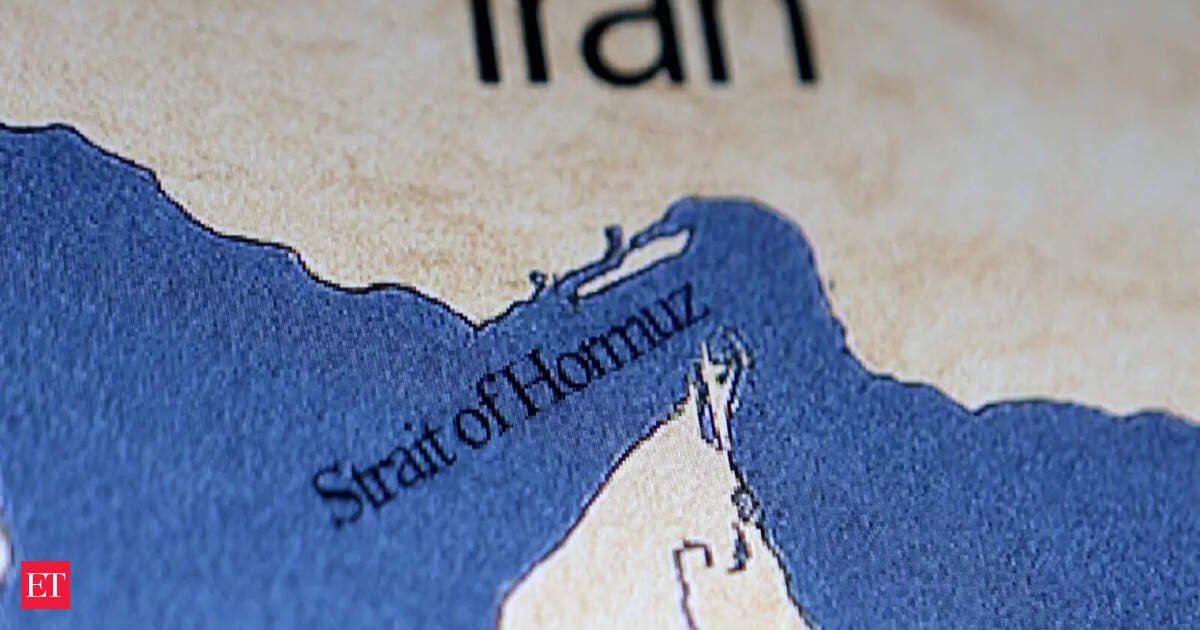
According to Iran’s semi-official Tasnim news agency on Sunday, the adviser said Iran’s management of the Strait of Hormuz would “ensure national security” and mark “the end of 50 years of insecurity in the Gulf.”
Also read: Trump vows Hormuz blockade until deal is ‘certified and signed,’ says US-Iran ties becoming ‘more professional’
Trump says Iran deal ‘largely negotiated’
The remarks come as U.S. President Donald Trump said Washington and Iran had “largely negotiated” a memorandum of understanding on a peace deal that could reopen the Strait of Hormuz after months of conflict.
Trump said the emerging framework, which he said was being brokered by Pakistan, would reopen the strategic shipping route whose disruption since February has triggered a global energy crisis.

“Final aspects and details of the Deal are currently being discussed, and will be announced shortly,” Trump wrote on Truth Social on Saturday.
According to multiple U.S. and Iranian media reports, the proposed memorandum outlines a framework to end months of fighting, reopen the waterway and potentially ease restrictions on Iranian shipping. Reports said the future of Iran’s stockpile of highly enriched uranium would be negotiated separately within 30 to 60 days.
U.S. Secretary of State Marco Rubio, speaking during a visit to India, said further developments could emerge on Sunday.
Also read: LNG tanker exits Hormuz for India for first time since war began
Ceasefire fragile, differences remain
Despite growing expectations of a breakthrough, Iranian media indicated that key disagreements persist. Iran’s Tasnim news agency reported that differences remained over “one or two clauses” in the proposed memorandum and said there would be no final understanding if Washington continued to create obstacles.
An Iranian source told Reuters that if the country’s Supreme National Security Council approved the draft, it would then be sent to Supreme Leader Ayatollah Mojtaba Khamenei for final approval.
Iranian Foreign Ministry spokesperson Esmail Baghaei said the overall trend had been toward reducing disputes, though “issues still need to be discussed through mediators”.
He said Tehran’s priorities included ending the threat of fresh U.S. attacks and addressing the conflict in Lebanon, while also seeking relief from restrictions on Iranian shipping.
The proposed framework could reportedly unfold in three stages: a formal end to the war, restoration of navigation through the Strait of Hormuz, and a broader negotiation window that could later be extended.
The conflict has sharply affected global energy markets. Brent crude prices have risen roughly 43% since the U.S. and Israel launched military action against Iran in February, while analysts have warned that a full restoration of shipping flows through the strait could still take many months even if a final agreement is reached.