

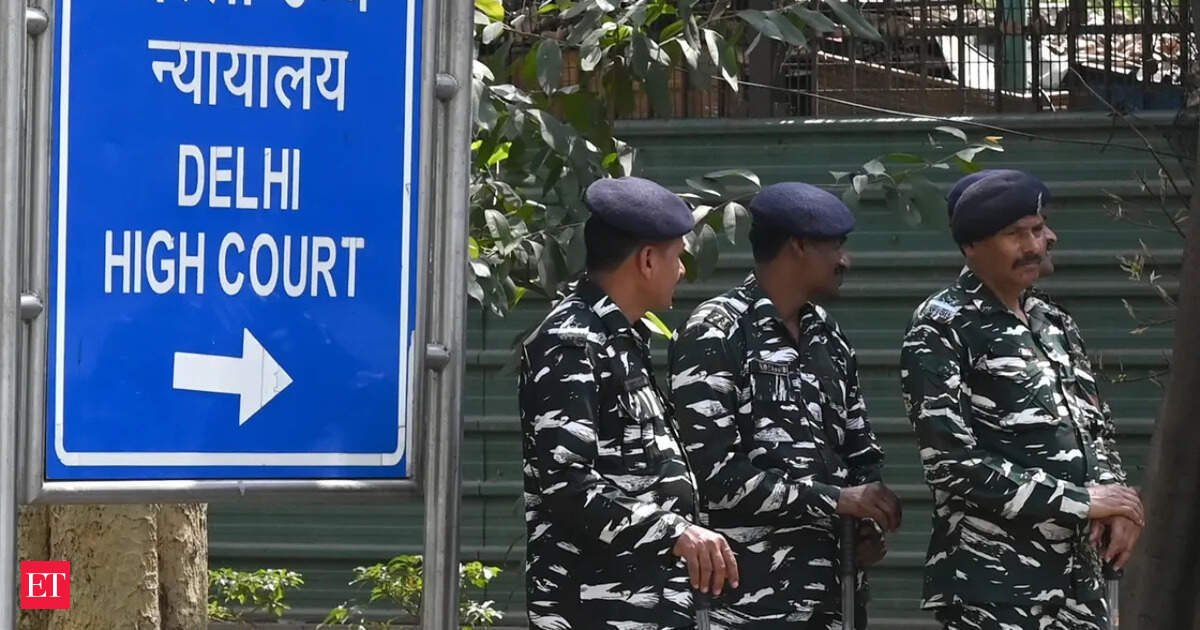
The shares in question are those of FHL that used to be held by brothers Malvinder and Shivinder Singh, former promoters, and alleged to have been sold off in a series of transactions while the arbitration award against them was being pursued. “FHL should have stopped (it) at the time shares were sold. By letting the shares slip away, you are liable,” justice Subramonium Prasad said. “The question of liability cannot be put on a third party. At the end of the day (they) were your shares.”
Also Read: No cosmetic job with jabs, warns drug regulator CDSCO
The court’s observations came in the long-running execution petition filed by Japanese pharmaceutical giant Daiichi Sankyo seeking enforcement of an award against the Singh brothers over the sale of Ranbaxy that has now swelled to Rs 5,200 crore, a decade since it came into effect. The court, which has been hearing the matter since December 2025, has conducted 48 back-to-back hearings into the matter. This reflects the judiciary’s intent to show the seriousness with which international arbitration and enforcement are regarded, legal experts said.
The case has effectively become a three-way contest among the Singh brothers, 16 banks and FHL over who bears responsibility for the shrinking assets of the Singh brothers that were once valued at over $4 billion. The core issue is the dwindling of 38.3 million shares that formed the basis of the arbitration award. Daiichi, represented by senior advocate Arvind Nigam and advocate Giriraj Subramanium, has been pursuing a forensic audit of FHL and the banks to examine the roles of the entities cited above in the reduction of the Singh brothers’ assets. FHL’s lawyers said they would be moving a perjury application against Daiichi Sankyo, escalating the legal battle. Daiichi has also accused FHL of perjury.

The matter will next be heard on Monday, when FHL is expected to respond to the court’s question. Senior advocate Rajiv Nayyar appeared for Fortis on Friday.