

The notice issued by the Central Drugs Standard Control Organisation (CDSCO) cites provisions of the Drugs and Cosmetics Act, 1940, and the Cosmetics Rules, 2020.
Curbing Products’ Misuse
“No cosmetic is permitted to be used as an injection by consumer/professionals/aesthetic clinics,” it said in the May 18 notice, which hasn’t been reported. “Cosmetics are only intended to be rubbed, poured, sprinkled or sprayed to human body.”
Also Read: No Ebola case in India yet, centre reviews preparedness after WHO declares global health emergency


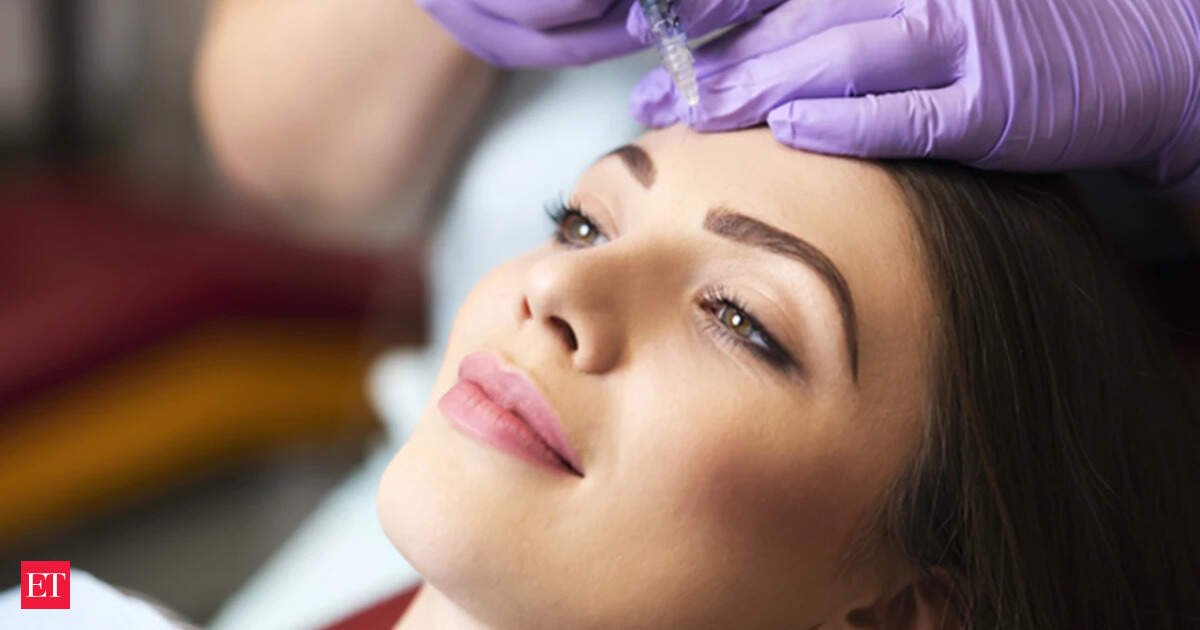
While the move may have been prompted by the GLP-1 wave, it’s expected to cover a range of other treatments used in cosmetic procedures, including the widely used Botox, experts said.
Also Read: Dr Reddy’s launches oral semaglutide in India
The rapid global uptake of GLP-1 receptor agonists, originally developed for diabetes and subsequently approved for fighting obesity, has triggered a parallel surge of interest in injectable aesthetic treatments. “From skin-brightening glutathione drips to collagen and hyaluronic acid injections, clinics across Indian metros have increasingly offered procedures that occupy a grey zone between cosmetics and medicine,” an official said.
While no formal cases of misuse have been reported, authorities believe the practice may already be occurring in a clandestine manner. “Procedures like Botox have made injectable treatments routine at aesthetic clinics, lowering the barrier for other cosmetic products to be administered similarly,” an official said. Botox is legally classified as a prescription-only pharmaceutical drug.