

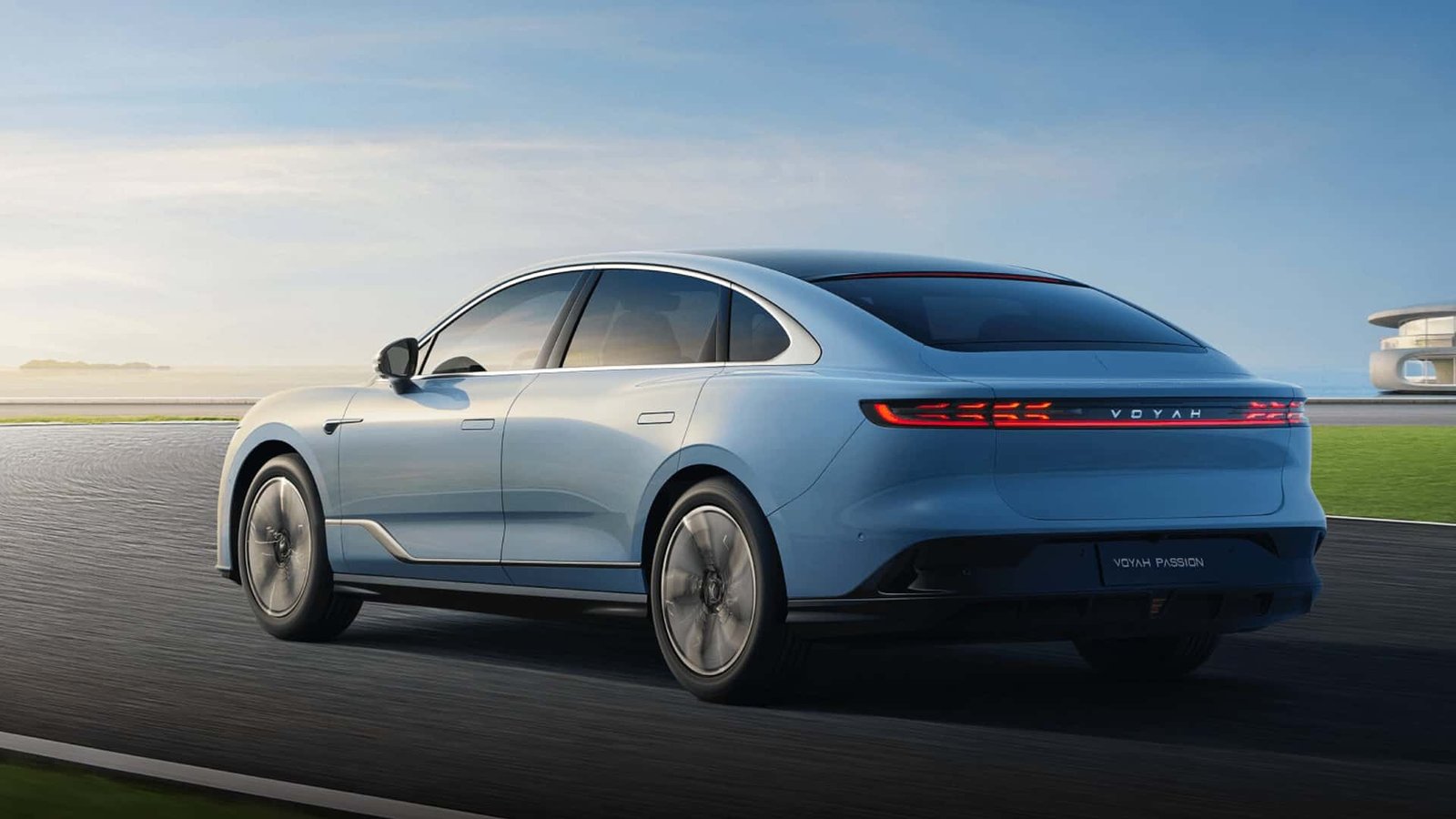
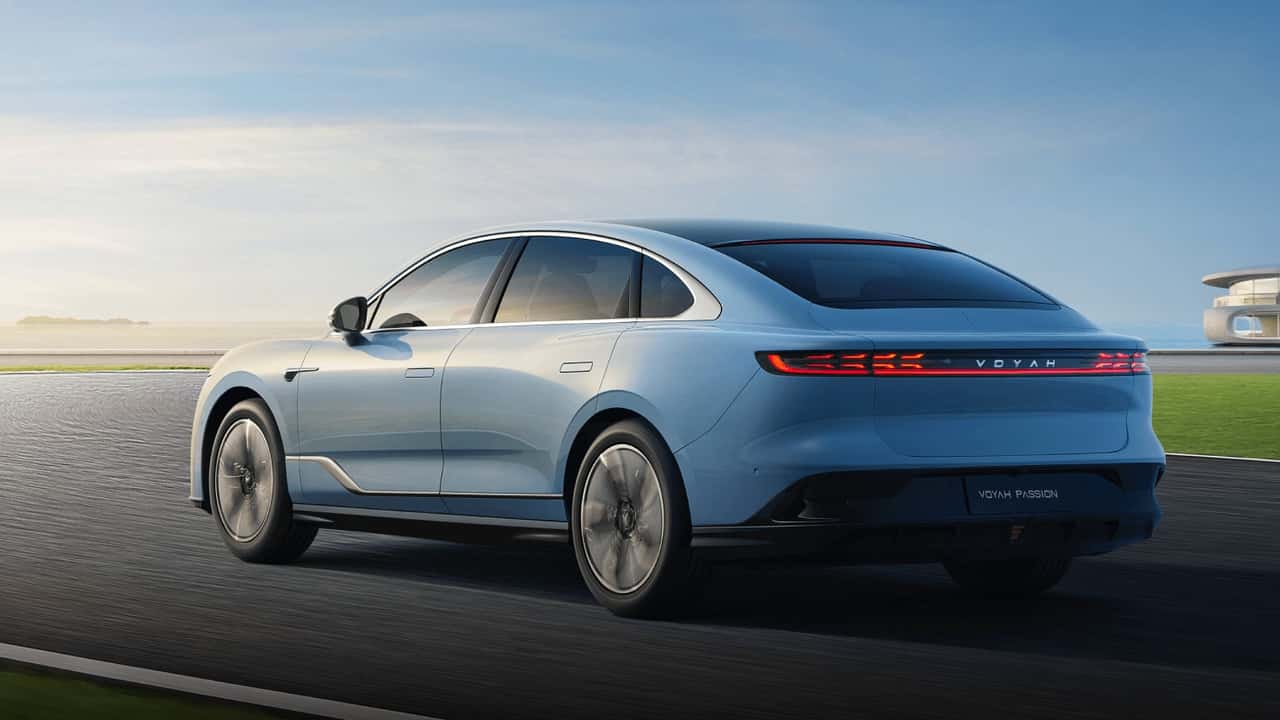
- Stellantis will build Dongfeng’s Voyah EVs in France through a new European joint venture.
- The deal follows Stellantis’ Leapmotor tie-up, which already brings Chinese EV production to Spain.
- Chinese automakers are turning to European assembly to blunt tariffs and gain a local foothold.
Stellantis, the automotive conglomerate that owns Jeep, Ram, and 12 other car brands, has just announced a joint venture agreement with China’s Dongfeng to build Voyah EVs in one of its European factories. It already has a similar deal with Leapmotor, under which the latter is assembling its vehicles at a Stellantis plant in Spain to bypass import tariffs these vehicles would have faced if they were manufactured in China.
Chinese EVs face an additional import duty of up to 35% in the EU, on top of the existing 10% import tariff. This hasn’t stopped Chinese automakers from bringing their vehicles over and undercutting local competition, but building them locally is an even better deal for the automakers.
The new Dongfeng deal focuses on the Stellantis plant in Rennes, France. It can accommodate up to three production lines and, at its peak, produced 400,000 vehicles per year, but now it only produces the Citroen C5 Aircross, using only a third of its capacity. Dongfeng will also build Peugeot and Jeep vehicles in China as part of the same deal.
Stellantis already knows the playbook through its tie-up with Leapmotor (in which it holds a controlling share). The Chinese manufacturer initially began production of the T03 electric city car in Poland, but production there was halted in March last year, and it now builds the B10 electric crossover at the Stellantis factory in Zaragoza, Spain.
Reuters says Leapmotor is looking to expand its collaboration with Stellantis and identify which of Stellantis’ European factories have unused production capacity to build its own models. Leapmotor will also be providing the platform and key components for a new Opel electric crossover, making it one of the first European-badged vehicles built on fully Chinese underpinnings.
Other Chinese automakers have also begun efforts to localize production in Europe. BYD is the most famous in this respect with the huge factory it’s building in Hungary. Chery has partnered with Spain’s Ebro to use the former Nissan plant in Barcelona, while Xpeng and GAC have turned to Austria’s Magna Steyr to assemble cars in Europe.
Europe’s tariffs were designed to protect its car industry from cheaper Chinese EVs, but they may end up accelerating a different kind of Chinese expansion. Instead of simply importing finished cars from China, automakers are now looking for factories, partners, and production footholds inside Europe itself.
For Stellantis, this gives underused plants the prospect of more work and potentially gives its European brands access to cheaper, faster-moving EV technology. Chinese automakers need to get around tariffs and find a path into the market. It’s increasingly looking like Europe’s next wave of affordable EVs may not be imported from China. They may be Chinese-engineered cars built in European factories, sometimes wearing badges buyers already know.