

The Pentagon awarded Perennial Autonomy, a California-based startup making headlines for its counter-drone technology, a $500 million contract to accelerate its procurement of the defensive systems.
According to Monday’s press release, the decision to award the contract was made by the Joint Interagency Task Force 401, or JIATF-401, a Defense Department organization charged with researching, testing, and procuring counter-drone technology.
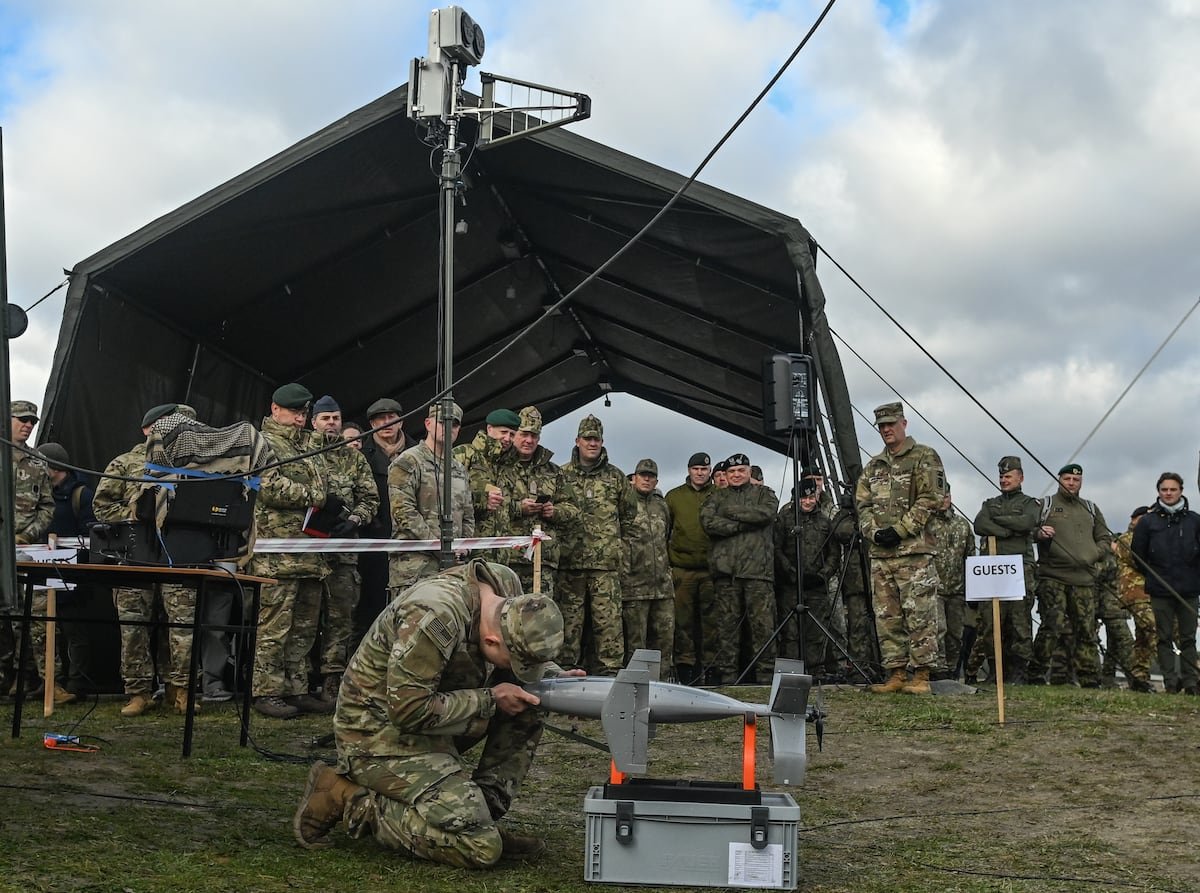
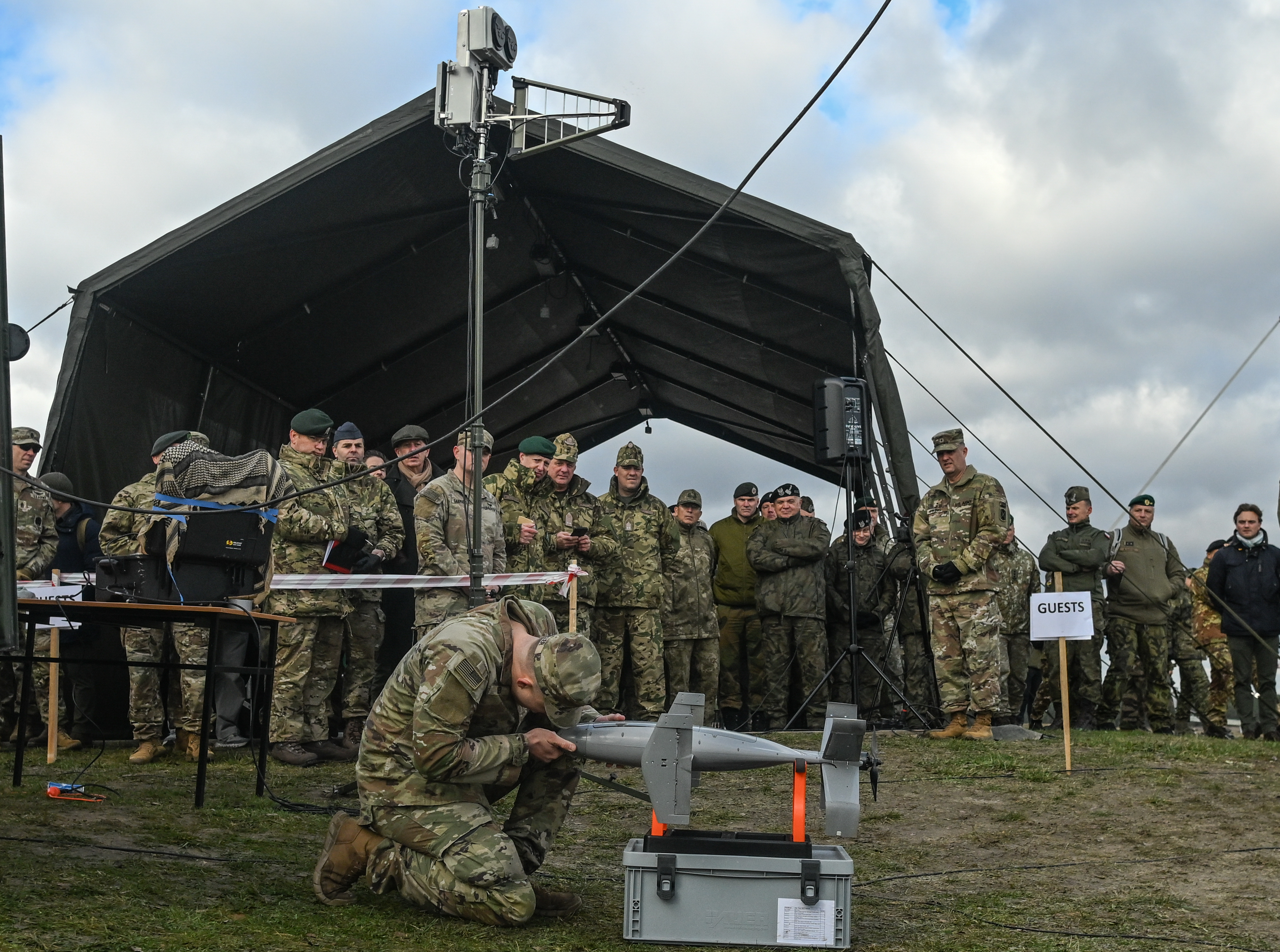
Perennial will deliver a range of AI-enabled counter-unmanned aerial systems currently used by U.S. forces. These include Merops interceptors, Bumblebee quadcopters and Hornet midrange strike drones.
In a statement, the company said the contract “validates the operational reliability of that technology in the world’s most actively contested environments,” and “deepens the existing strategic partnership” between it and the Defense Department.
U.S. Army Brig. Gen. Matt Ross, director of JIATF-401, in the statement called drones “the defining threat of our time,” and reiterated the need to maintain partnerships with companies like Perennial.
“We must be proactive with creating a layered defense that deploy and scale low-cost, attritable air-to-air drone interceptors at all our facilities at home and abroad,” he added.
In December, the Pentagon launched the billion-dollar Drone Dominance initiative to equip troops with cheap, disposable drones and prepare them for technological changes on the battlefield, many of which were demonstrated in Russia’s war in Ukraine.
Another part of the initiative included investing heavily in the domestic drone industry, so within the next few years, equipment could be produced at scale for significantly less money.
But the Iran war further accelerated the U.S. military’s demand for the types of drones combatants have been using to attack or harass troops, destroy equipment or infrastructure and conduct surveillance, among other things.
During last month’s budget hearings, Army Secretary Daniel Driscoll told lawmakers that Perennial began rapidly scaling production of its Merops drones.
Perennial, originally launched by former Google CEO Eric Schmidt as Project Eagle, developed the Merops interceptor for Ukrainian forces to counter Russia’s one-way attack drones known as Shaheds.
The U.S. military is using the interceptors the same way against Iran’s Sheheds.
When answering questions about the investment, Driscoll described a war of attrition, saying the Merops currently costs about $15,000 per unit, whereas a Shahed costs somewhere between $30,000 and $50,000.
Additionally, JIATF-401 awarded Perennial a separate $5.2 million contract in January for the Bumblebee V2 counter-drone system, and the Army reportedly tested the Hornet midrange strike drones in March.
The company has also opened manufacturing operations in Europe through a partnership aimed at expanding production of its Merops drones.
Perennial’s contract will end in three years or whenever the Pentagon pays out the full $500 million, whichever comes first.