

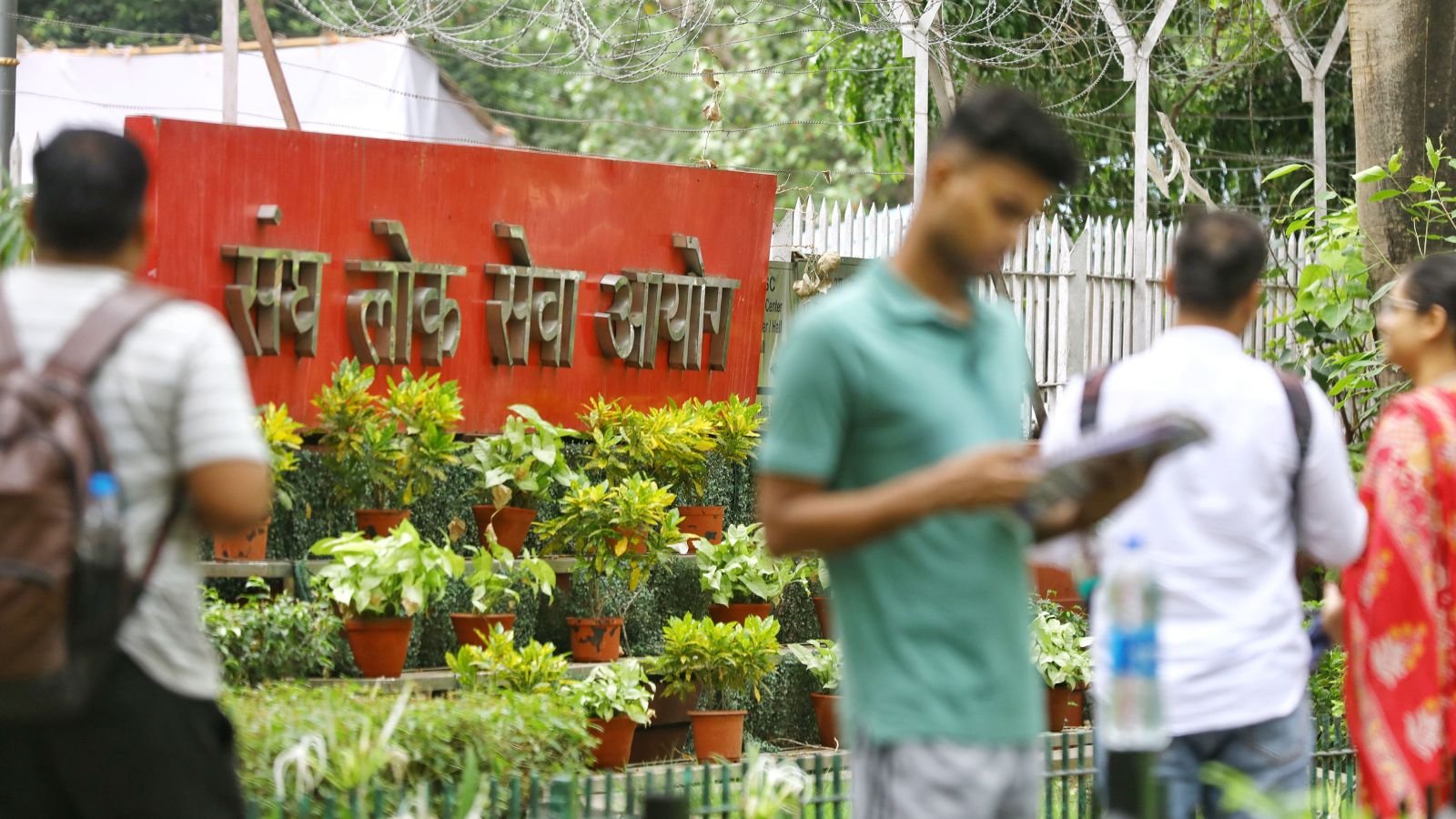
The move, announced earlier this year by the UPSC is being regarded as a ‘new beginning’ by UPSC Chairman Dr Ajay Kumar as it comes after long-standing demands from aspirants and observations made during proceedings before the Supreme Court. The Commission said the reform is aimed at improving transparency, responsiveness, and timely communication with candidates.

Here are the key details UPSC aspirants should know:
What is the big change announced by UPSC?
For the first time, UPSC will publish a provisional answer key shortly after the preliminary examination, instead of waiting until the entire Civil Services Examination process is completed.
Until now, the Commission released answer keys, marks, and cut-offs only after the final results of the examination cycle were declared, often many months later.
The Commission said the new system is intended to:
Enhance transparency in the examination process
Allow candidates to assess their performance earlier
Give aspirants an opportunity to raise objections before the final key is prepared
Strengthen confidence in the examination system
What did UPSC Chairman Ajay Kumar say?
UPSC Chairman Dr. Ajay Kumar termed the decision “a new beginning”.
According to the press note issued by the Commission, he said the initiative reflects UPSC’s effort to bring “greater transparency, responsiveness, and timely communication with candidates”.
Story continues below this ad
He further stated that the policy aims to make the examination process “more participative” while preserving its “sanctity, integrity, and merit-based framework”.
When will the provisional answer key be released?
The Commission has not specified an exact date, but said the provisional answer key will be released soon after the conduct of the examination.
The move aligns with recommendations discussed during proceedings in the Supreme Court, where an amicus curiae had suggested publishing the answer key a day after the exam.
How can candidates raise objections to the answer key?
Candidates who appear for the prelims examination will be able to submit representations through the dedicated online portal:
UPSC Online Question Paper Representation Portal (QPRep)
As per the Commission’s announcement:
-Objections can be submitted till May 31, 2026, 6 PM
-Candidates must indicate the answer they believe is correct
-A brief explanation has to be provided
-Supporting documents from three authentic sources must be uploaded
Story continues below this ad
What kind of supporting documents are required?
UPSC has said that objections must be backed by material from “three authentic sources”.
In earlier submissions before the Supreme Court, the Commission clarified that objections unsupported by authoritative references could be rejected at the threshold itself.
The UPSC also stated that it would determine whether the submitted references qualify as authoritative sources.
Who will review the objections?
The Commission said all objections and representations received from candidates will be examined by teams of subject experts.
According to the press note:
Story continues below this ad
Experts with domain knowledge will review each objection. Supporting documents submitted by candidates will be examined carefully. Experts will then record their views on the correctness of disputed answers. Subsequently, the final answer key will be prepared only after considering all valid representations
The finalised answer key will form the basis for preparation of the UPSC prelims result.
Will the final answer key also be released?
Yes. UPSC has clarified that the final answer key will be published after the declaration of the final results of the Civil Services Examination cycle.
This means the provisional key will be available immediately after prelims, while the final validated key will continue to be released later in the process.
Story continues below this ad
Why the change, and why now?
The decision to publish provisional answer keys is being seen as a significant reform in the Civil Services Examination process, particularly because it addresses a long-standing demand raised by UPSC aspirants over the years. Candidates and petitioners had argued that releasing answer keys, cut-offs and marks only after the entire examination cycle was completed left little scope for aspirants to seek timely remedies in cases of alleged errors in evaluation.
The issue had reached the Supreme Court through a petition filed by advocates Saroj Tripathi and Rajeev Dubey, who contended that withholding answer keys, cut-offs and marks until the conclusion of the entire recruitment process frustrated candidates’ ability to seek effective remedies against incorrect evaluations.
The court had appointed senior advocate Jaideep Gupta as amicus curiae, assisted by advocate Pranjal Kishore, and the amicus recommended that provisional answer keys should ideally be published a day after the examination. While UPSC had initially expressed concerns that such a move could create uncertainty and delay, the Commission later informed the court that, after detailed deliberations, it had taken a “conscious and well-considered decision” to introduce provisional answer keys and invite representations from candidates.