

While the digital boom has increased awareness and sparked conversations around sexual well-being in a post-Covid world, India is seeing a sharp rise in common sexually transmitted infections (STIs), particularly syphilis. Nearly 5-6% of the adult population in India experiences sexually transmitted or reproductive tract infections annually, translating to nearly 30 million infections every year. Studies from India have also reported syphilis incidence rates of around 3 cases per 1,000 person-years in certain populations, while gonorrhoea continues to show rising prevalence, especially among adolescents and young adults.
This trend is further complicated by the growing challenge of antimicrobial resistance (AMR), which has made several infections increasingly difficult to treat. A 2024 review published in the Indian Journal of Sexually Transmitted Diseases and AIDS noted a resurgence of syphilis and emergence of drug-resistant Neisseria gonorrhoeae in India, warning that the trend could signal an impending STI epidemic if surveillance and control measures are not strengthened.
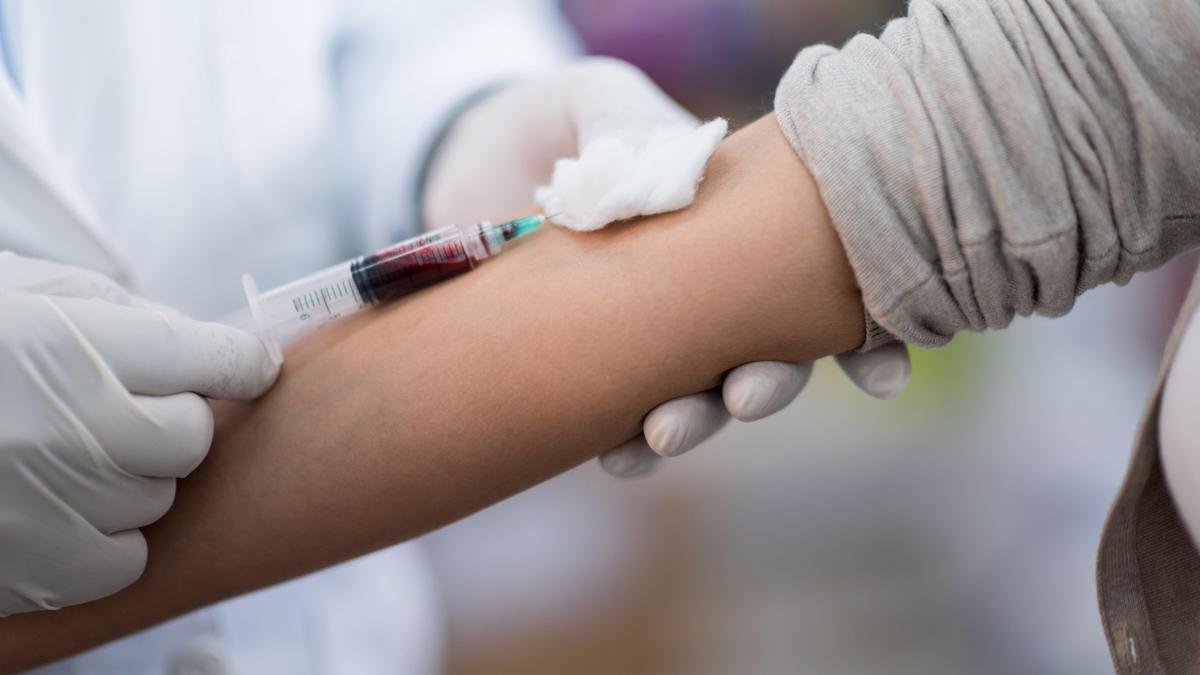
At the same time, in an evolving dating environment, young people are proactively and periodically seeking STI tests, primarily online, say experts. However, they point out that these efforts ideally require a guided approach. Because different infections have varying incubation periods, testing at the wrong time can produce misleading results, and therefore, there is much to consider before getting an STI panel done, they add.
How do you navigate the landscape of STI tests? What symptoms should you be on the look out for? How often must you get tested? And why is prevention key? Experts explain.

What are the common STIs?
Madhumitha R., senior consultant, infectious diseases and infection control, MGM Healthcare, Chennai, says that there are about 25-30 types of bacteria, viruses, and even certain parasites that are sexually transmitted. Out of these, about eight or nine STIs are common, and about four of them are curable. These four are: syphilis, gonorrhea, chlamydia, trichomoniasis. The ones that are considered non-curable, but manageable with treatment, are: Hepatitis B, Herpes Simplex Virus, HIV, and Human Papillomavirus (HPV).
Dr. Madhumitha adds that previously, Hepatitis C or HCV was considered non-curable, but today, there are treatments and medicines that can fully cure this infection.

What are common symptoms?
According to Neha Rastogi Panda, senior consultant, infectious diseases at Fortis Hospital, Gurugram, several STIs are asymptomatic, creating a high risk of people carrying and spreading infections unknowingly. STIs like HIV, HPV, and HCV can remain silent for long periods. Dr. Neha says HIV is often a “mimicker” that begins with flu-like symptoms, while HPV is mostly asymptomatic, though certain strains can cause genital warts.
When STIs do present symptoms, they typically fall into the genital discharge category – either penile or vaginal, which may be foul-smelling or curdy – or ulcerations. Gonorrhoea, for instance, can cause a yellowish discharge, more commonly in men, besides a burning sensation while peeing. Syphilis can manifest as painless pustules or ulcers on the genitals. Persons with herpes may experience multiple blisters that are painful.
Genital discharge is common in chlamydia, though certain strains can also cause ulcerations, explains Dr. Madhumitha. Trichomoniasis, which is more prevalent in women, is typically characterised by extensive vaginal discharge rather than ulcers.

Who should get tested?
Generally, STI testing is routinely performed during pregnancy to prevent parent-to-child transmission, points out Dr. Madhumitha. Beyond routine screening, testing is essential for anyone who has had unprotected sex, has a new partner whose history is unknown, or has multiple partners. If you discover that a partner has an STI or if you develop genital symptoms, you should seek testing immediately. Constitutional symptoms like unexplained weight loss can sometimes point to infections like HIV or Hepatitis B, which may only present clearly at a later stage, she further explains.
Experts noted however, that STI testing is highly gendered, with women facing certain systemic barriers, including social stigma and limited healthcare access, which can lead to lower testing rates and severe health risks.

How often should one get tested?
Dr. Madhumitha explains that most infections have a ‘window period’ – a timeframe where you are infected, but symptoms have not manifested and tests will still come back negative. “I see many people who come to me in a panic, saying, ‘It happened last night, it was a new partner, and the barrier contraceptive broke.’ In the immediate post-exposure period, no test will come back positive, so testing right away is basically meaningless.” In these situations, doctors opt for post-exposure prophylaxis, meaning an urgent course of antivirals, rather than immediate testing based on the risk of exposure.
Infections also have different incubation periods. “Ideally, testing should be repeated periodically post exposure, earliest at four weeks, and then at three months. Some infections, chlamydia or trichomoniasis, may be detectable sooner. With trichomoniasis, you might know within five days, by which time you may even have developed symptoms,” she says.
Dr. Neha adds: “Testing frequency is usually a highly customised approach based on your activity and risk level. For instance, syphilis has a longer incubation period. If you are sexually active and have multiple partners, a testing frequency of every three to six months is recommended. For HIV, the minimum window is often six months; chlamydia and gonorrhea may aslo be screened every six months.”

How should one go about testing?
Dr. Neha says that STI testing can be categorised as either active or passive. “Digitalisation has played a major role in encouraging young people to seek testing, often through online consultations. However, we see many patients who undergo tests on their own and bring us the results. There is a possibility of ‘over-testing’ based on incomplete information. While Google can be a tool for awareness, which can help understand STIs, it should not replace professional advice,” she stresses.
Dr. Neha adds that high-risk individuals should focus on the key three or four essential tests, but it is preferable to consult a practitioner first, as many of these tests look for antibodies, which can be tricky to interpret.
“For example, many people in India are exposed to certain strains of herpes early in life; when they see positive antibodies on a report, they often panic. In these cases, I have to explain that it simply reflects a past exposure, not necessarily an active STI. This highlights why getting the right test at the right time is essential. Guidance is necessary because the interpretation of results must be handled by an expert,” she says.

Prevention is best
While doctor-guided testing is recommended for those who need it, ultimately, prevention should be the goal, experts say. The use of barrier contraceptives, like condoms, and safe sex practices are the best ways to to ensure that the risk of transmitting STIs is minimised.