

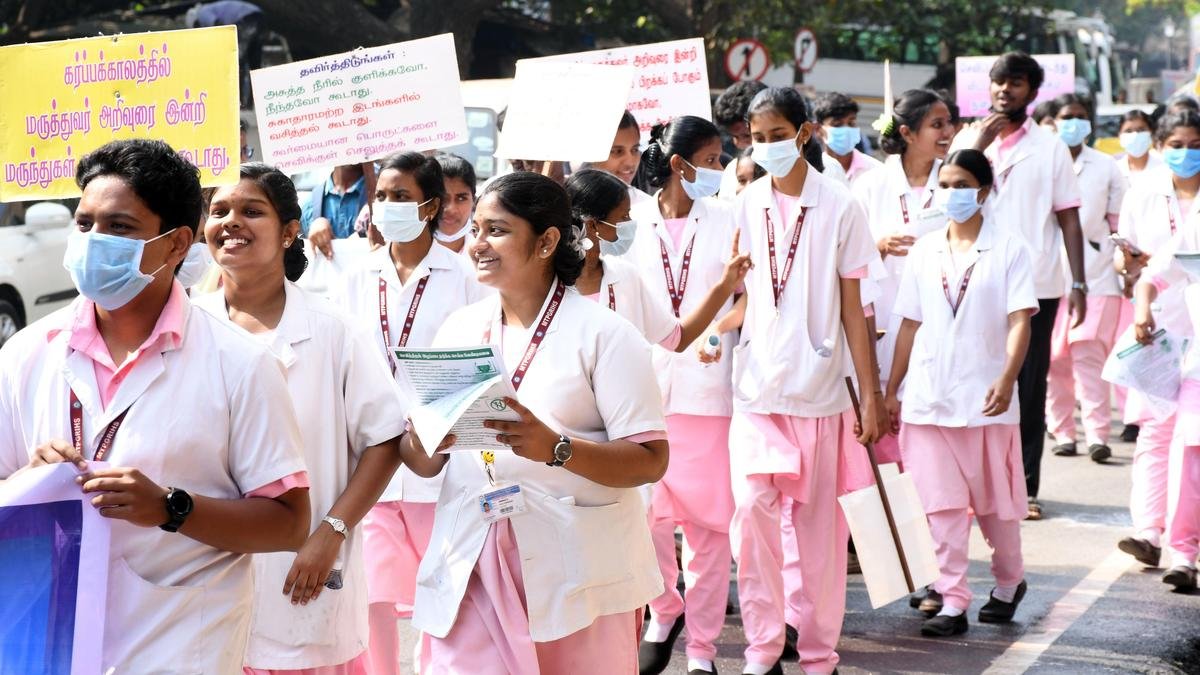
Every year, International Nurses Day offers us an opportunity to pause and reflect on the extraordinary individuals who stand at the very heart of healthcare. It is a moment not only to celebrate a profession, but to acknowledge a quiet and enduring force that shapes healing in ways both visible and unseen.
Across hospitals, nursing homes, clinics, homes, and communities, nurses bring together skill, compassion, resilience, and calm in ways that touch lives every single day. They are present in moments of anxiety and recovery, in times of uncertainty and hope. They support patients through some of life’s most vulnerable experiences while also providing reassurance to families searching for strength and comfort.

The human touch
The image of a nurse has always carried profound emotional meaning across generations. Long before healthcare became associated with advanced diagnostics, robotics, precision medicine, and artificial intelligence, healing began with human presence. A reassuring conversation. A comforting touch. The confidence that someone is standing beside you with care and empathy.
That truth remains unchanged even today.
The World Health Organization estimates that there are nearly 29.8 million nurses globally, making nursing the single largest workforce in healthcare. Yet the world continues to face a shortage of nearly 5.8 million nurses, with the greatest gaps concentrated in low- and middle-income countries. These numbers remind us that the future of healthcare will depend not only on innovation and infrastructure, but equally on how effectively societies invest in nursing education, workforce wellbeing, leadership, and professional growth.

Keeping pace with ageing
Healthcare systems around the world are undergoing profound transformation. Ageing populations, rising chronic illnesses, mental health concerns, and increasing demand for long-term care continue to place enormous pressure on health systems. The pandemic further revealed how vulnerable healthcare delivery becomes when nurses are overworked, emotionally exhausted, or insufficient in number.
Alongside, at the same time, medicine itself is evolving rapidly. Technology is opening remarkable possibilities in diagnosis, treatment, monitoring, and personalised care. Artificial Intelligence is improving clinical decision-making. Digital platforms are making healthcare more accessible and connected than ever before. Yet amid all this progress, one reality continues to stand above all else. Technology may enhance care, but it cannot replace compassion or substitute human empathy. Our nurses continue to remain the bridge between clinical excellence and emotional reassurance, bringing humanity into every patient interaction. This is why nursing will always remain one of the noblest and most essential professions in society.
Across healthcare institutions worldwide, nurses demonstrate extraordinary leadership every single day. They detect subtle changes in a patient’s condition before machines do. They comfort anxious families in intensive care units. They help elderly patients regain confidence after surgery. They bring dignity, patience, and emotional strength into moments where people often feel most vulnerable. Much of their contribution cannot truly be measured through metrics alone. It is reflected in the trust they inspire, the confidence they restore, and the human connection they create.

Building ecosystems
Hence, as focus on addressing the global nursing challenge, we must be mindful that it is not simply about addressing workforce shortages. It is about building sustainable ecosystems where nurses feel respected, protected, empowered, and able to thrive professionally and personally. Countries must continue to expand nursing education capacity and strengthen clinical training infrastructure. Greater attention must also be given to nurse wellbeing, mental health support, workplace safety, and opportunities for continuous learning. Nursing leadership deserves stronger representation within healthcare policy and institutional decision-making, particularly at a time when patient care is becoming increasingly multidisciplinary and technology-driven.
Nursing demands scientific expertise, emotional resilience, ethical judgement, adaptability, and lifelong learning. It requires individuals who can combine clinical precision with humanity in equal measure. Young people entering the profession today are stepping into careers that will help shape the future of healthcare itself. Modern nursing increasingly intersects with digital health, genomics, preventive care, and advanced therapies. Yet despite all this transformation, the essence of nursing continues to remain deeply human.
Healthcare may continue to evolve in remarkable ways in the years ahead. The human heart of healing, however, will always belong to those who care with both skill and empathy.
That is the enduring spirit of nursing, and it deserves our deepest gratitude, respect, and support every single day.
(Dr. Preetha Reddy is executive vice chairperson, Apollo Hospitals.)
Published – May 12, 2026 11:57 am IST