




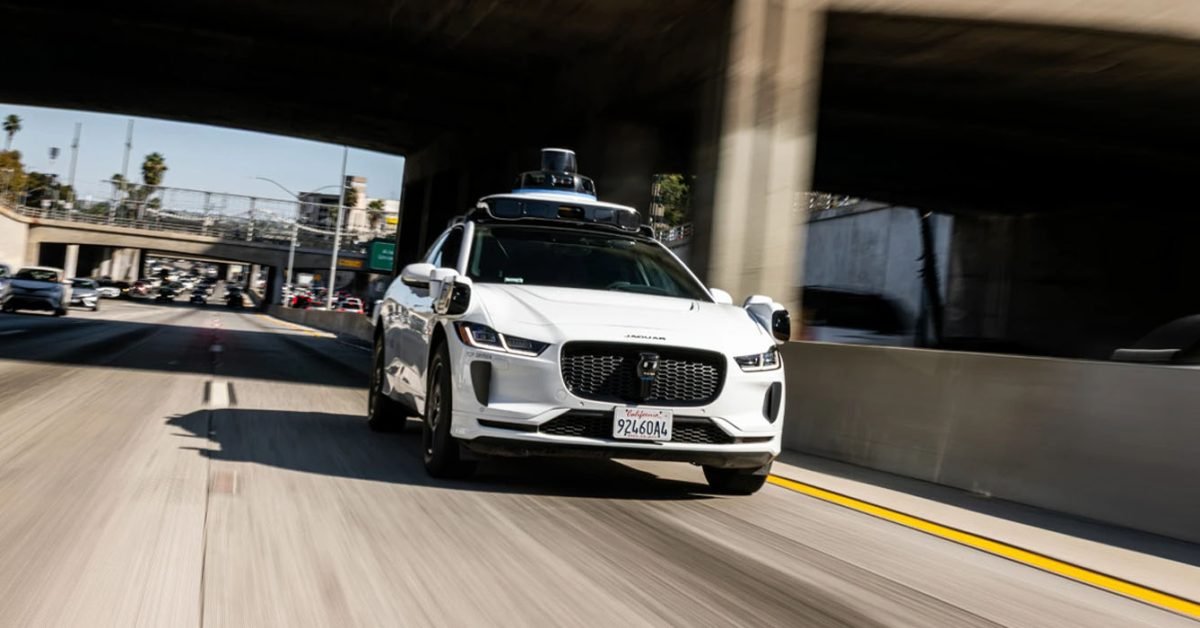
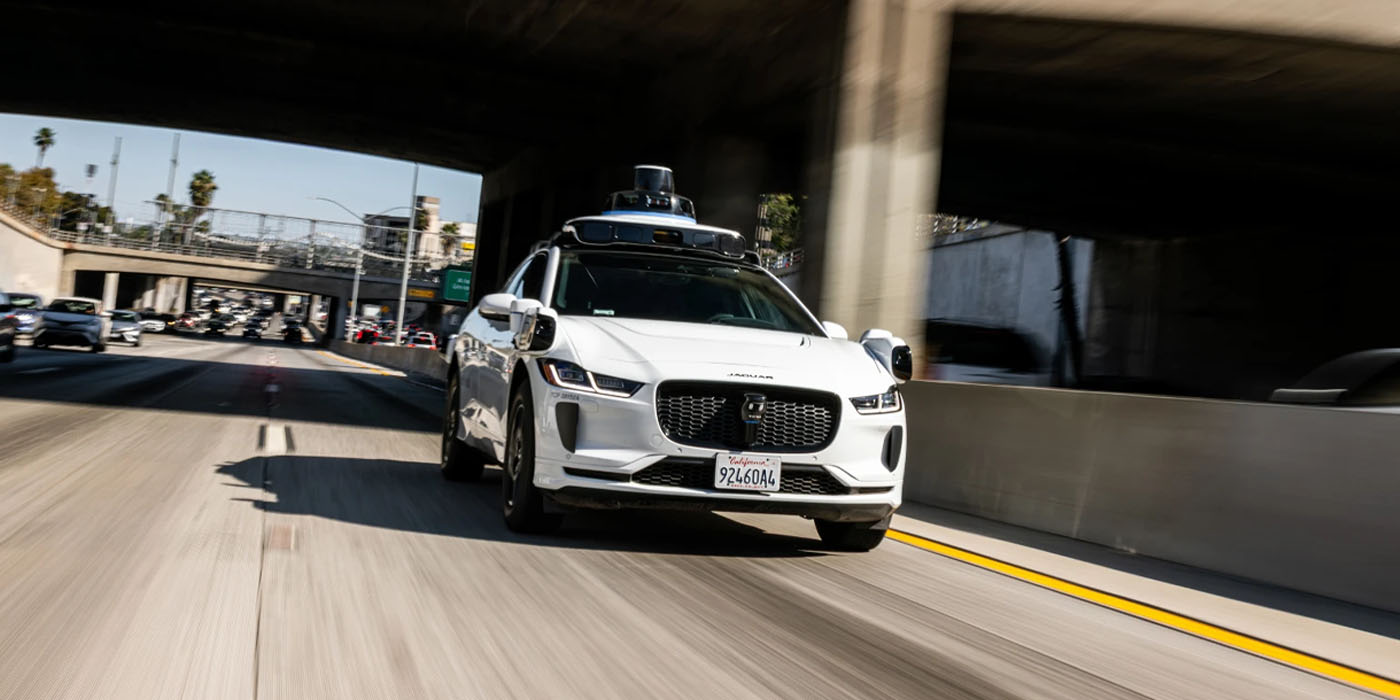

Waymo has filed a voluntary recall with the National Highway Traffic Safety Administration (NHTSA) covering 3,791 robotaxis after one of its vehicles drove into a flooded road in San Antonio last month. No one was injured.
The key detail: the recall is a software fix that will be deployed over the air to Waymo’s entire fleet — no vehicles need to visit a service center. Waymo has already implemented interim constraints while the full remedy is finalized.
What happened
According to documents posted to NHTSA’s website, the recall traces back to an April 20 incident in San Antonio, where an unoccupied Waymo robotaxi encountered “an untraversable flooded section of a roadway.” Rather than routing around the danger, the vehicle proceeded into the floodwater at a reduced speed.
The vehicle was ultimately swept into Salado Creek. No passengers were on board, and no injuries were reported, but the car had to be recovered from the waterway days later. A second, earlier flood-related incident had also occurred near McCullough Avenue and Contour Drive in San Antonio about two weeks prior.
Waymo paused all San Antonio operations following the April 20 incident — the company’s longest service stoppage in the city to date. Waymo is expected to resume San Antonio service this week after reviewing its flood monitoring procedures and safety protocols.
The company filed the voluntary recall with NHTSA on April 30. It affects vehicles equipped with both fifth- and sixth-generation automated driving systems across all of Waymo’s operating cities: Phoenix, San Francisco, Los Angeles, Austin, San Antonio, and Atlanta.
OTA fix — no dealer visit required
This is the important part. Unlike traditional automotive recalls that require owners to bring vehicles to a dealership, Waymo’s recall is handled entirely through an over-the-air software update — similar to how a smartphone receives a patch.
Waymo says that it had “identified an area of improvement regarding untraversable flooded lanes specific to higher-speed roadways” and filed the voluntary recall accordingly.
The company said it is “working to implement additional software safeguards,” including refining “extreme weather operations” and “limiting access to areas where flash flooding might occur.” NHTSA described Waymo’s interim response as a temporary tightening of operational boundaries, including new weather-related constraints and map revisions, while engineers work toward the full software fix.
Waymo has followed this pattern before — when its vehicles were caught illegally passing stopped school buses in Austin and Atlanta late last year, the company filed a voluntary recall and pushed an OTA software update to its entire fleet within weeks. The completion rate for these virtual recalls approaches 100%, since Waymo controls and operates every vehicle in its fleet directly.
Fleet size revealed
The recall filing inadvertently served as a census of Waymo’s operations. The total of 3,791 affected vehicles confirms significant fleet growth — Waymo didn’t publicly acknowledge crossing the 2,000-vehicle threshold until September 2025, meaning the fleet has nearly doubled in roughly eight months.
That growth aligns with Waymo’s massive $16 billion funding round at a $126 billion valuation earlier this year. The Alphabet-owned company now delivers 500,000 paid robotaxi rides per week across 10 U.S. cities and is targeting 1 million weekly rides by year-end.
Electrek’s Take
This recall is worth framing correctly. Waymo identified a problem, paused operations in the affected city, filed a voluntary recall within 10 days, and is deploying an OTA fix to its entire fleet. That’s the model for how autonomous vehicle safety should work.
The “recall” label sounds alarming, but in the context of a software-defined fleet that Waymo operates directly, it’s functionally equivalent to a bug fix pushed to all vehicles simultaneously. No customer has to do anything. No vehicles sit unpatched for months or years.
That said, the underlying incident does highlight a real challenge for autonomous vehicles: unpredictable weather. A human driver would (hopefully) recognize a flooded road and turn around. However, human drivers have been known to underestimate the dept of a flooded area and driving into it when they shouldn’t/
Waymo’s system did, and the car got swept into a creek. The fact that it happened twice in San Antonio within two weeks suggests the system’s flood detection capabilities needed significant improvement — and Waymo acknowledged as much by pausing the entire city’s operations.
We’ll be watching how quickly the full software remedy rolls out and whether it prevents similar incidents during the upcoming storm season across Waymo’s southern U.S. markets.



FTC: We use income earning auto affiliate links. More.