







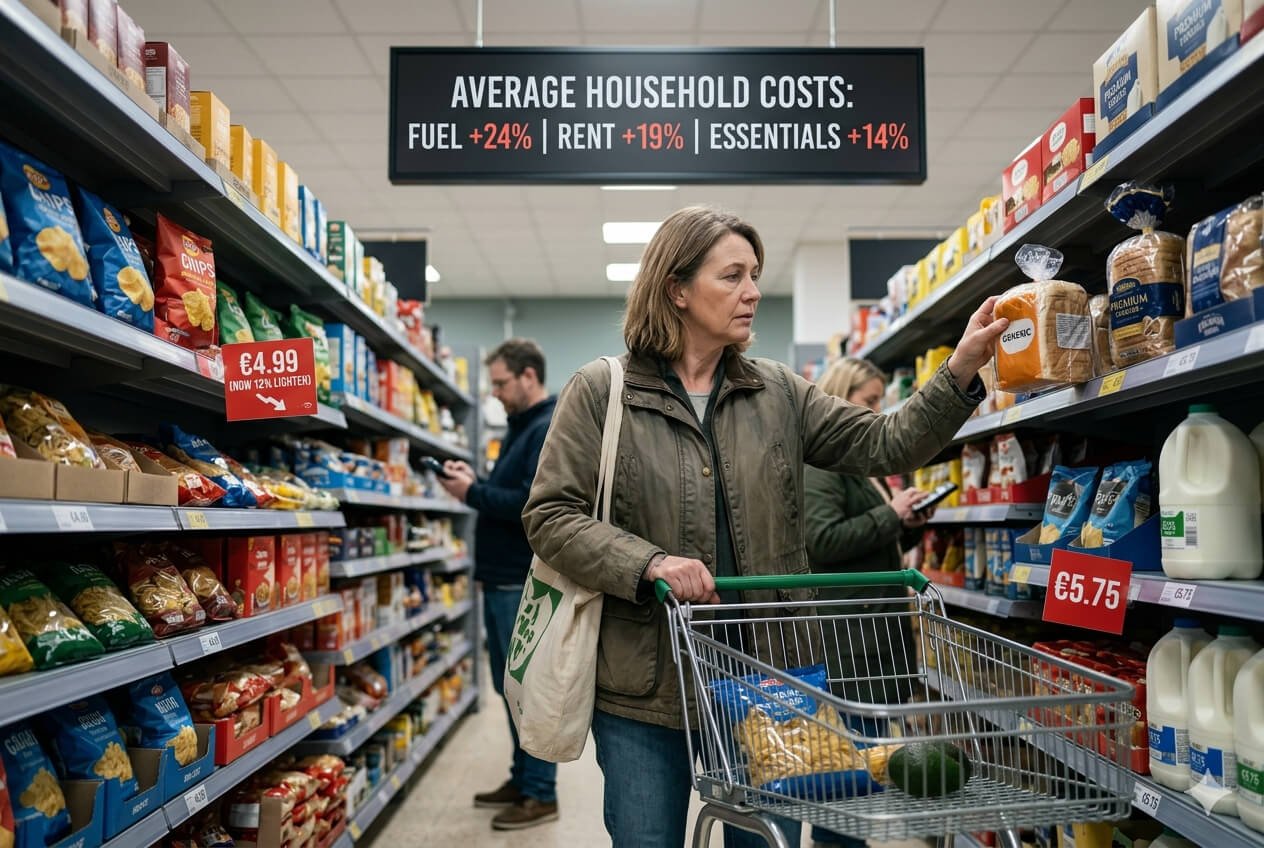
If you’ve walked through a grocery store lately and felt a strange sense of “sticker shock” over a simple loaf of bread or a pack of biscuits, you aren’t alone. In 2026, the conversation at dinner tables has shifted. It’s no longer about the latest tech or travel—it’s about the rising cost of existing.
We are living through a unique “Cost of Living Crisis.” While inflation was the buzzword of 2023 and 2024, the situation in 2026 feels different. It’s stickier, more complex, and frankly, more exhausting.
So, why is everything getting so expensive? Let’s pull back the curtain on the invisible forces shrinking your paycheck.
1. The “Energy Ripple” Effect
Even if you don’t drive a car, you are paying for oil. In early 2026, geopolitical tensions—particularly in the Middle East—have kept crude oil prices stubbornly high.
But here’s the human part: Oil isn’t just fuel; it’s an ingredient.
- Packaging: Most of the plastic that wraps your food is a petroleum product.
- Logistics: Every apple in your basket was trucked, shipped, or flown using expensive fuel.
- Agriculture: Fertilizers are energy-intensive to produce. When gas prices rise, the cost of growing wheat rises, which means your morning toast costs more.
2. Shrinkflation: The Silent Budget Killer
Have you noticed that your favorite cereal box feels a little lighter, or that there are fewer chips in the bag, even though the price stayed the same? This is Shrinkflation.
In 2026, many companies are hesitant to raise prices further for fear of losing customers. Instead, they “downsize” the product. It’s a psychological trick: you see the same price tag, so you don’t feel the sting at the register, but you’re actually getting 10–15% less for your money. Over a month of grocery shopping, this adds up to a massive hidden tax on your household.
3. The Housing Trap: Rents vs. Reality
For many, the biggest drain on their bank account isn’t food—it’s the roof over their head. In 2026, the housing market has hit a perfect storm:
- Stagnant Supply: Not enough new homes were built during the high-interest years of 2024-2025.
- The Rental Squeeze: As buying a home became impossible for many, everyone flooded the rental market.
- High Interest Rates: While they are beginning to dip slightly, they remain high enough that landlords are passing their increased mortgage costs directly onto tenants.
In many major cities, the average person is now spending 35–45% of their take-home pay just on rent. This leaves very little “cushion” for when other costs, like electricity or insurance, inevitably spike.
4. “Profit-Push” Inflation
There is a growing debate in 2026 about “Greedflation” or Profit-Push Inflation. While raw material costs have certainly gone up, many global corporations have posted record-breaking profits over the last two years.
Economists have noted that some companies used the “excuse” of general inflation to raise prices far beyond what was necessary to cover their costs. When a few massive companies control the majority of the food or energy supply, consumers have no choice but to pay the “new normal” price.
5. The “Tax of Transition”
We are currently in a massive global shift toward Green Energy. While this is essential for the planet, the transition isn’t free.
- Upfront Costs: Building wind farms and upgrading electrical grids requires trillions in investment.
- Carbon Taxes: In 2026, new environmental regulations and carbon credits are being factored into the price of everything from international flights to imported electronics.
Essentially, we are paying the “down payment” for a sustainable future today, and it’s showing up in our monthly utility bills.
How to Navigate the 2026 Economy
It’s easy to feel powerless, but understanding the landscape allows you to make better choices. Here are three ways people are adapting:
A. The Return of the “Generic”
Brand loyalty is dying. In 2026, “Store Brands” have seen a massive surge in quality and popularity. Switching to house labels for staples like pasta, milk, and cleaning supplies can save a household up to $100–$200 a month.
B. The Subscription Audit
We are the most “subscribed” generation in history. From streaming services to “pro” versions of apps and monthly snack boxes, these small $10 charges act like a “death by a thousand cuts.” In 2026, the most financially savvy people are doing a “subscription purge” every 90 days.
C. Community Sharing
We are seeing a beautiful human response to this crisis: the rise of the Shared Economy. Tool libraries, neighborhood car-pooling, and bulk-buying clubs (where families split a wholesale order) are becoming mainstream again.
The Bottom Line
The 2026 Cost of Living Crisis isn’t just about “inflation numbers” on a news ticker. It’s about the reality of a world where supply chains are fragile, energy is transitioning, and housing is a luxury.
Things may feel expensive right now because, quite literally, the cost of doing business has changed forever. The “cheap era” of the 2010s is likely over. But as we adapt, we learn to value what really matters—finding smarter ways to spend, saving where we can, and looking out for our communities.
Key Takeaways:
- Energy is the driver: If oil is up, everything from bread to boots goes up.
- Watch for “Shrinkflation”: Check the weight, not just the price.
- Housing is the anchor: Rent is the single biggest factor in the current crisis.
- Smart Spending: The shift to generic brands and shared resources is the new “cool.”
How have you adjusted your budget this year? Is there one specific item you’ve stopped buying because it got too expensive?


