






In today’s fast-paced world, health and wellness have become top priorities for many people. From keto to vegan, intermittent fasting to paleo, there are countless diet trends promising quick results. But here’s the truth—what works for one person may not work for another. That’s where personalized nutrition comes in.
Personalized nutrition is changing the way we think about food, health, and dieting. Instead of following generic diet plans, people are now focusing on eating based on their unique body needs. Let’s explore why this shift is happening and how it can help you achieve better health.
What Is Personalized Nutrition?
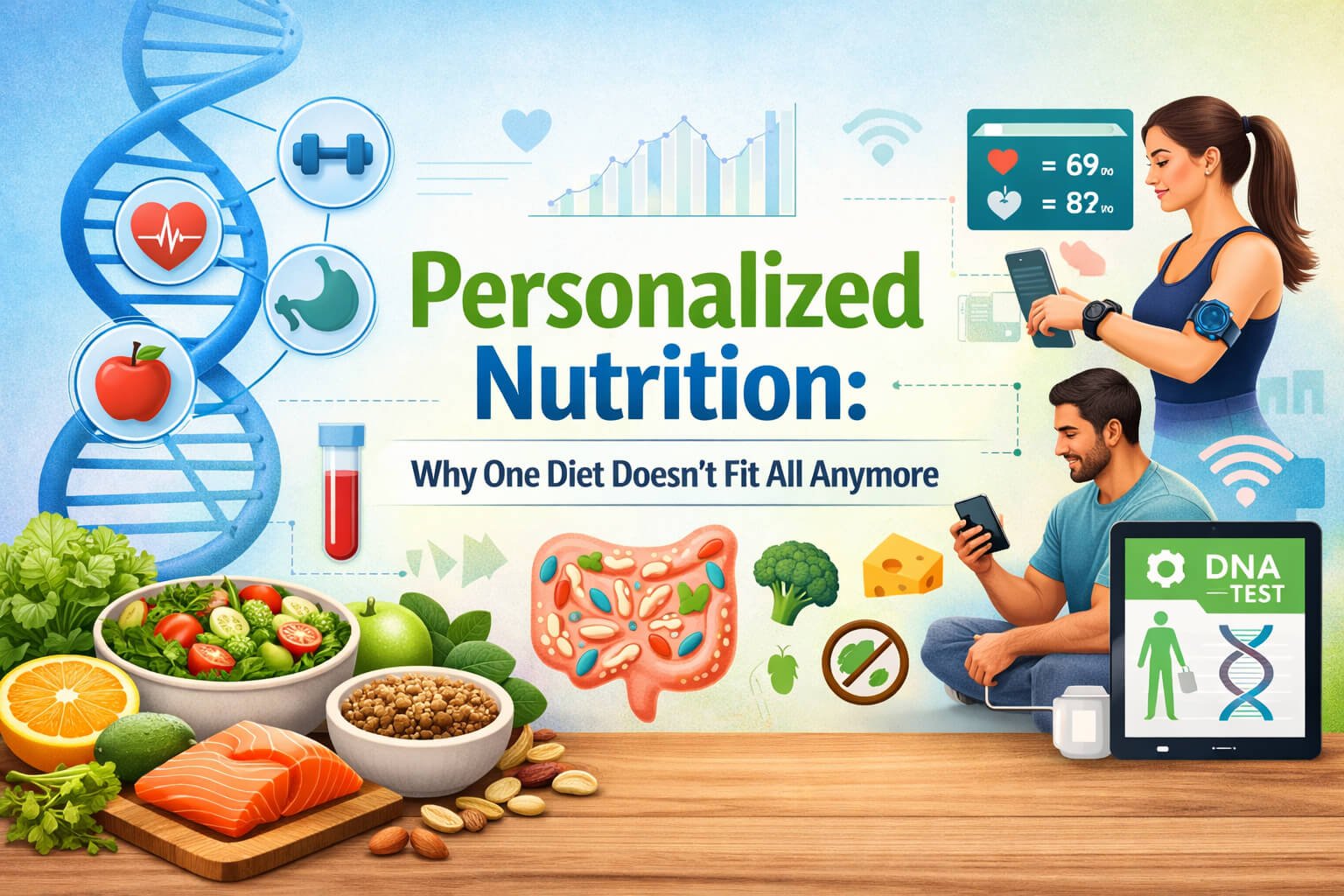
Personalized nutrition is a tailored approach to eating that considers an individual’s unique characteristics. These may include:
- Genetics
- Lifestyle
- Age and gender
- Health conditions
- Activity levels
- Food preferences
Instead of a “one-size-fits-all” diet, personalized nutrition creates a plan that works specifically for you.
For example, two people trying the same diet may experience completely different results. One may lose weight quickly, while the other may feel tired or see no change at all. This happens because every body processes food differently.
Why Traditional Diets No Longer Work for Everyone
For years, diet plans have been designed for the general population. While they may work for some people, they often fail to deliver long-term results for most.
1. Everyone Has a Unique Metabolism
Your metabolism determines how your body converts food into energy. Some people burn calories quickly, while others store fat more easily. A standard diet cannot account for these differences.
2. Genetic Differences Matter
Your genes influence how your body reacts to certain nutrients. For example, some people are more sensitive to carbs, while others process fats more efficiently.
3. Lifestyle Factors Play a Big Role
Your daily routine, stress levels, sleep patterns, and physical activity all affect your nutritional needs. A diet that works for an athlete may not work for someone with a desk job.
4. Health Conditions Require Special Diets
People with conditions like diabetes, thyroid issues, or food intolerances need customized nutrition plans. A generic diet may worsen their condition instead of improving it.
The Science Behind Personalized Nutrition
Personalized nutrition is backed by science, especially in areas like:
Nutrigenomics
This field studies how food interacts with your genes. It helps identify which nutrients your body needs more or less of.
Microbiome Analysis
Your gut contains trillions of bacteria that affect digestion, immunity, and even mood. Understanding your gut health can help create a better diet plan.
Blood Biomarkers
Testing things like blood sugar, cholesterol, and vitamin levels can guide your dietary choices more accurately.
With advancements in technology, it is now easier than ever to analyze these factors and create personalized diet plans.
Benefits of Personalized Nutrition
Switching to a personalized approach offers several advantages:
Better Weight Management
Instead of following strict diets, you eat according to what your body needs, leading to sustainable weight loss or maintenance.
Improved Energy Levels
When you eat the right nutrients, your body functions more efficiently, and you feel more energetic throughout the day.
Reduced Risk of Chronic Diseases
A customized diet can help manage or prevent conditions like diabetes, heart disease, and obesity.
Better Digestion
By understanding your gut health and food sensitivities, you can avoid foods that cause discomfort.
Long-Term Sustainability
Personalized diets are easier to stick to because they align with your preferences and lifestyle.
Examples of Personalized Nutrition in Action
To understand this better, let’s look at a few examples:
- Person A follows a high-protein diet and feels energetic, loses weight, and builds muscle.
- Person B tries the same diet but feels bloated and tired because their body doesn’t process protein as efficiently.
Another example:
- Someone with lactose intolerance should avoid dairy, while another person may benefit from calcium-rich dairy products.
These examples clearly show why a universal diet plan doesn’t work for everyone.
Role of Technology in Personalized Nutrition
Technology is playing a major role in making personalized nutrition more accessible.
Wearable Devices
Fitness trackers and smartwatches monitor your activity, sleep, and calories burned.
Health Apps
Apps can track your food intake, suggest meal plans, and analyze your nutritional habits.
DNA Testing Kits
These kits provide insights into your genetic makeup and help create customized diet recommendations.
AI-Based Platforms
Artificial intelligence can analyze large amounts of data to create highly personalized nutrition plans.
Challenges of Personalized Nutrition
While personalized nutrition offers many benefits, it also comes with some challenges:
Cost
Advanced tests like DNA analysis and microbiome testing can be expensive.
Accessibility
Not everyone has access to personalized nutrition services or experts.
Information Overload
With so much data available, it can sometimes be confusing to decide what’s right for you.
Lack of Awareness
Many people are still unaware of personalized nutrition and continue to follow generic diet trends.
How to Start Your Personalized Nutrition Journey
You don’t need expensive tests to begin. Here are some simple steps:
1. Understand Your Body
Pay attention to how your body reacts to different foods. Do certain foods make you feel tired or bloated?
2. Focus on Balanced Eating
Include a mix of proteins, healthy fats, carbohydrates, vitamins, and minerals in your diet.
3. Track Your Habits
Use a simple app or journal to monitor what you eat and how you feel.
4. Stay Hydrated
Water plays a crucial role in digestion and overall health.
5. Consult a Professional
A nutritionist or dietitian can help create a plan tailored to your needs.
6. Avoid Fad Diets
Instead of following trends, focus on what works best for your body.
The Future of Nutrition
The future of nutrition is highly personalized. As technology continues to evolve, we will see more advanced tools that provide accurate and real-time dietary recommendations.
In the coming years, your diet plan may be based on real-time data from your body, including blood sugar levels, activity, and even mood. This will make nutrition more precise and effective than ever before.
Conclusion
The idea that one diet fits all is becoming outdated. Every individual is unique, and so are their nutritional needs. Personalized nutrition focuses on understanding your body and giving it exactly what it needs to thrive.
Instead of chasing the latest diet trends, it’s time to listen to your body, make informed choices, and adopt a sustainable approach to eating. After all, the best diet is the one that works for you—not for everyone else.
FAQs
1. What is personalized nutrition?
Personalized nutrition is a diet approach tailored to an individual’s body, lifestyle, and health needs instead of a general diet plan.
2. Why doesn’t one diet work for everyone?
Because people have different metabolism, genetics, and lifestyles, which affect how their bodies respond to food.
3. Is personalized nutrition only for weight loss?
No, it also helps improve energy levels, digestion, and overall health, not just weight management.
4. Do I need a DNA test for personalized nutrition?
No, you can start by understanding your body and eating habits, though advanced tests can give deeper insights.
5. Can personalized nutrition help with health conditions?
Yes, it can help manage conditions like diabetes, food intolerances, and heart issues with the right diet plan.
6. How can I start personalized nutrition at home?
You can begin by tracking your meals, noticing how your body reacts to foods, and making gradual healthy changes.


