





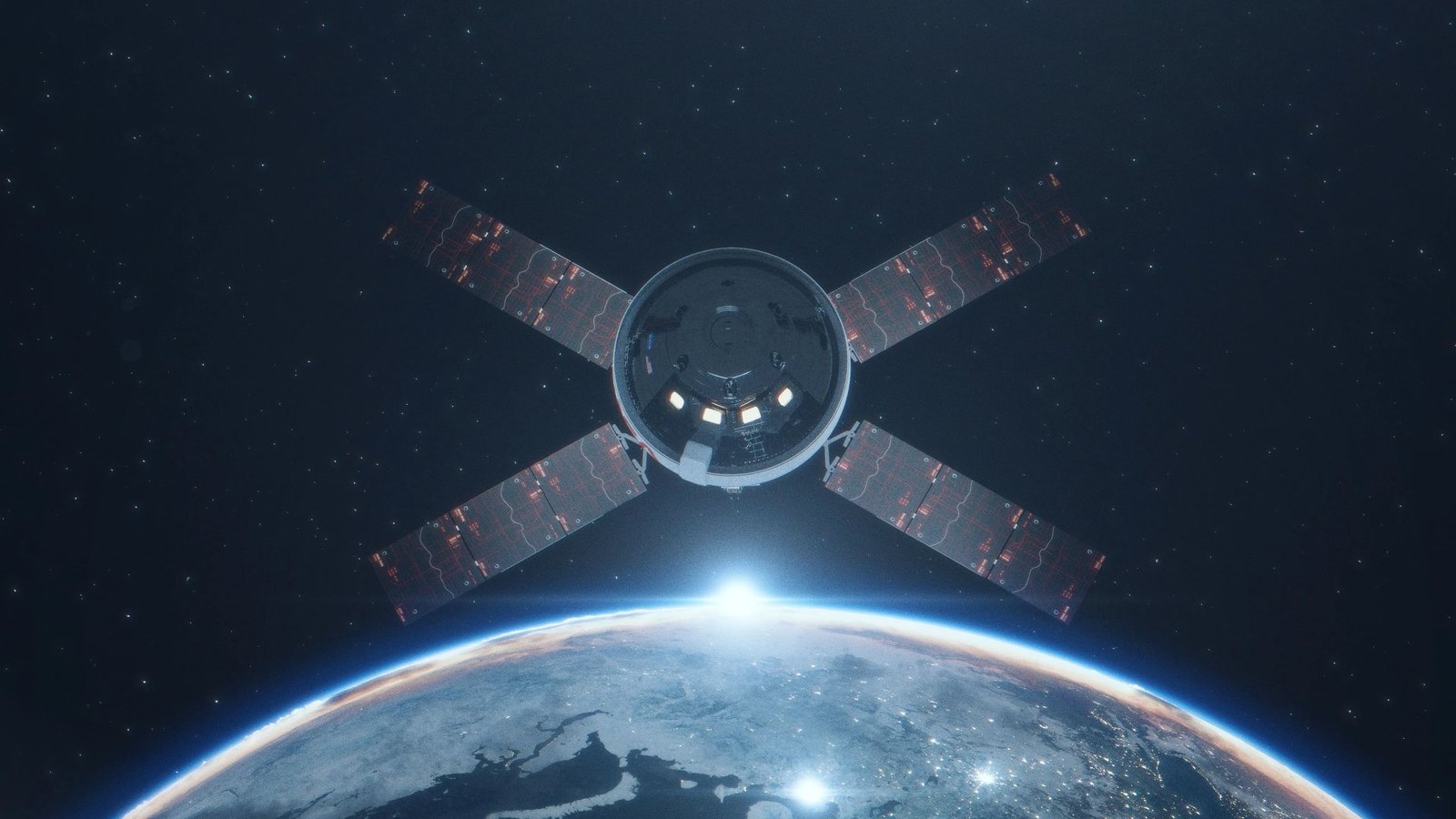
We just learned a little more about NASA’s next Artemis mission.
The agency dropped a few details on Wednesday (May 13) about Artemis 3, a crewed mission that will test rendezvous and docking operations with one or more lunar landers close to home.
“While this is a mission to Earth orbit, it is an important stepping stone to successfully landing on the moon with Artemis 4,” Jeremy Parsons, Moon to Mars acting assistant deputy administrator at NASA’s Exploration Systems Development Mission Directorate in Washington, D.C., said in a statement on Wednesday. “Artemis 3 is one of the most highly complex missions NASA has undertaken.”
We already knew the broad outlines of Artemis 3: It will use NASA’s Space Launch System (SLS) rocket to send four astronauts to orbit aboard the Orion spacecraft. Orion will then rendezvous and dock with one or both of the Artemis program’s privately developed lunar landers — SpaceX’s Starship and Blue Origin’s Blue Moon.
This architecture was announced in late February. It’s a big departure from the original Artemis 3 plan, which would have used one of the landers to put astronauts down near the moon’s south pole.
NASA is still working to define the details of Artemis 3, but the agency has made some progress, as Wednesday’s announcement shows. For example, NASA revealed that the astronauts will spend more time aboard Orion on Artemis 3 than they did on Artemis 2, “further advancing the evaluation of life support systems.”
Artemis 2, which sent four astronauts on an epic journey around the moon, lasted about 10 days, launching this past April 1 and splashing down on April 10. Wednesday’s statement does not give an estimate for how long Artemis 3 will last.
NASA also revealed on Wednesday that the Artemis 3 SLS will employ a dummy “spacer” rather than a functional upper stage.
“The spacer will maintain the same overall dimensions and interface connection points as the upper stage between the Orion stage adapter and launch vehicle stage adapter,” NASA officials wrote in the statement, noting that spacer “design and fabrication activities” are underway at Marshall Space Flight Center in Alabama.
This development makes a certain amount of cost-saving sense. The SLS upper stage (known as the interim cryogenic propulsion stage, or ICPS), propels Orion out of Earth orbit and toward the moon. And Artemis 3 isn’t going to the moon.
“After the rocket delivers Orion to orbit, the spacecraft’s European-built service module will provide propulsion to circularize Orion’s orbit around the planet in low Earth orbit,” NASA officials wrote. “This orbit increases overall mission success by allowing more launch opportunities for each element as compared to a lunar mission — SLS carrying Orion and its crew, SpaceX’s Starship human landing system pathfinder, and Blue Origin’s Blue Moon Mark 2 human landing system pathfinder.”
There’s also a bit of news here: Most of us had assumed that Artemis 3 will head to low Earth orbit (as opposed to more distant paths around our planet), but NASA had not explicitly confirmed that until now.
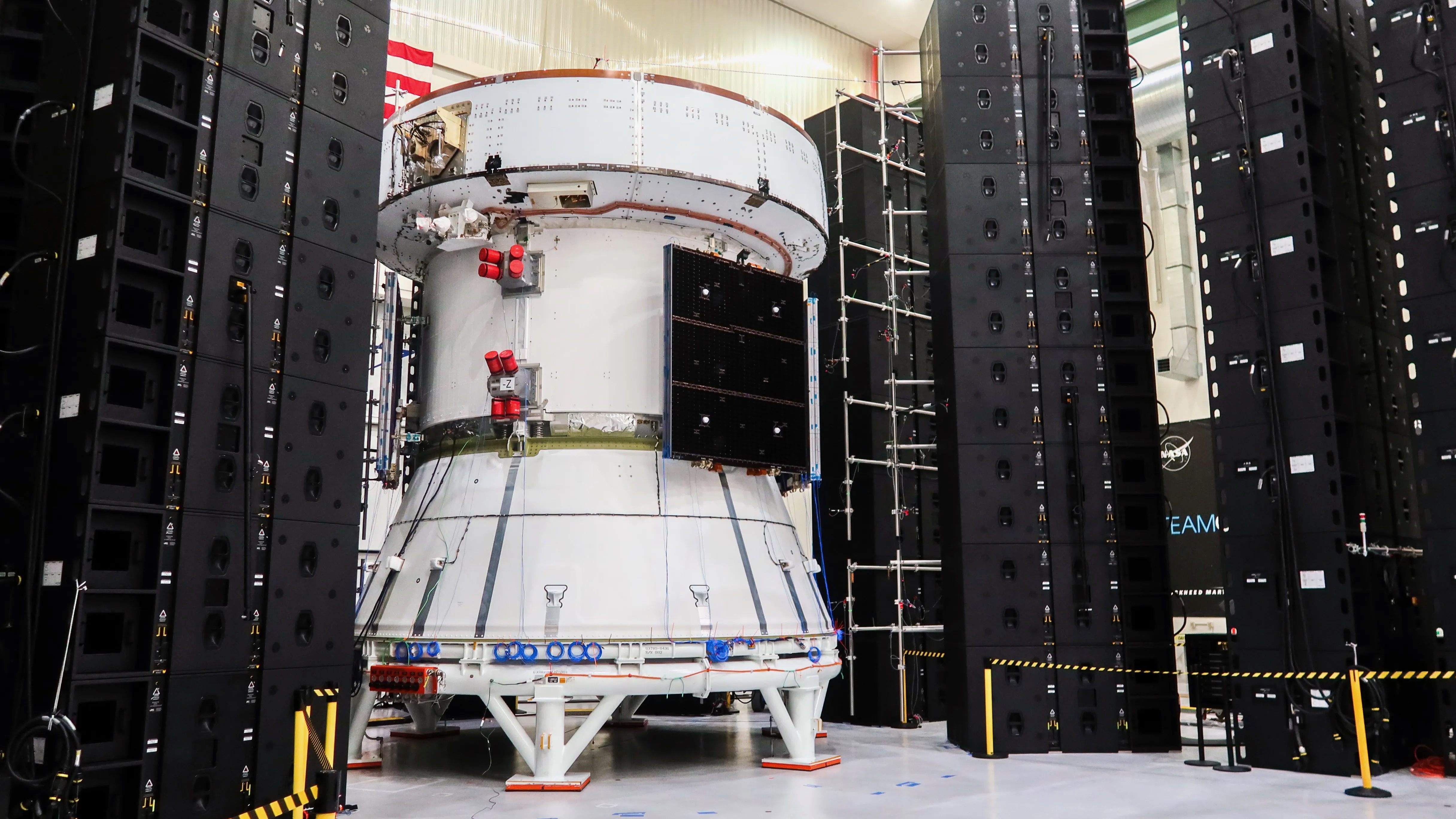

Wednesday’s statement also noted that Artemis 3 will use a new, upgraded Orion heat shield (which we already knew) and said that mission astronauts “could potentially enter at least one lander test article.”
We still don’t know which lander will fly on the mission, Starship or Blue Moon (or perhaps both). There are plenty of other specifics that still need to be worked out as well, including Artemis 3’s duration, which astronauts will fly on it, what science experiments they might conduct and how the mission will test the new Artemis spacesuits, which are being built by the Houston-based company Axiom Space.
“NASA has asked for industry input on potential solutions to improve the communications with the ground during the mission since the Deep Space Network will not be used,” agency officials added in Wednesday’s statement.
“The agency also is seeking both international and domestic interest in potentially flying cubesats to deploy in Earth orbit, and may share other opportunities as the concept of operations for the mission is further defined,” they added.
Author


